

Best hiking backpacks for beginners can make your first few adventures much more comfortable. But choosing one is not always easy. Once you start shopping, you will find different sizes, internal frames, hip belts, ventilation systems, and plenty of features that can make the decision confusing.
The good news is that you do not need the biggest or most expensive backpack to get started. For most new hikers, a comfortable backpack with the right capacity and a good fit is more important than having every possible feature.
If you are planning a short day hike, a 20–30L backpack may be all you need. Longer day trips and overnight adventures require more space, while multi-day hikes may call for a 50–65L pack with better load support.
In this guide, we have compared the 7 Best Hiking Backpacks for Beginners: Top Picks & Guides for different hiking styles and budgets. You will also find tips on backpack size, internal-frame packs, what to pack, common buying mistakes, and how to find a backpack that feels comfortable on the trail.
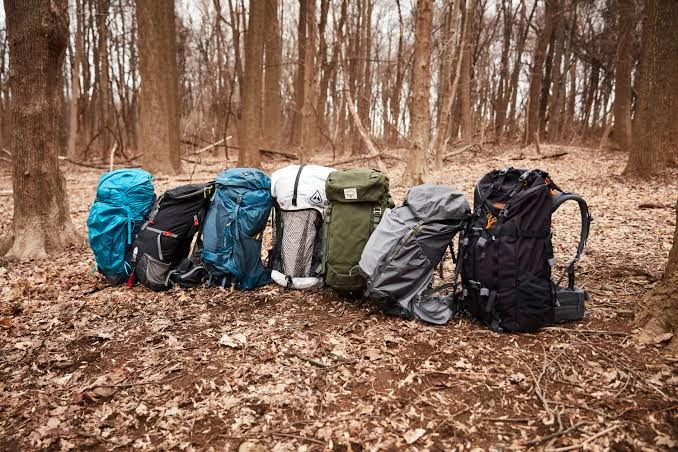
Quick Answer
If you are mainly planning day hikes, a 20–30L backpack is usually a good starting point. For overnight or weekend trips, consider something around 40–60L, depending on your camping gear.
If you expect to carry heavier equipment, an internal-frame backpack with a supportive hipbelt can make the load much easier to manage.
The main thing to remember is simple: choose a backpack that fits your body and matches the type of hiking you actually plan to do.
Table of Contents
Best Hiking Backpacks for Beginners: Our Top Picks
| Backpack | Best For | Approx. Capacity | Our Rating |
| Osprey Atmos AG LT | Overall | 50–65L | 4.9/5 |
| Gregory Paragon/Maven | Comfort & organization | Multiple sizes | 4.8/5 |
| REI Co-op Trailmade | First overnight trips | Around 60L | 4.7/5 |
| Deuter Aircontact Lite | Adjustable fit | Multiple sizes | 4.7/5 |
| Osprey Hikelite | Day hiking | 20–30L | 4.6/5 |
| REI Flash | Lightweight hiking | Around 20–25L | 4.5/5 |
1. Osprey Atmos AG LT – Best Overall
If you are looking for a backpack that can grow with you as you gain hiking experience, the Osprey Atmos AG LT is a strong option.
It is designed for carrying larger loads comfortably, making it more suitable for overnight and multi-day adventures than a basic daypack.
Why We Like It
The biggest advantage is its carrying comfort. Once you put camping equipment, food, clothing, and water into a large backpack, even a relatively short hike can feel tiring if the weight is not distributed properly.
The supportive suspension system helps move some of that load toward your hips instead of leaving everything sitting on your shoulders.
Pros
- Excellent support for longer hikes
- Comfortable when carrying heavier gear
- Good weight distribution
- Large capacity for overnight trips
- Ventilation helps reduce heat against your back
- Suitable for hikers who plan to backpack regularly
- Can remain useful as your hiking experience improves
Cons
- More expensive than basic beginner packs
- Too large for most short day hikes
- Heavier than lightweight daypacks
- Extra space can encourage overpacking
Best For
Beginners who are serious about getting into overnight or multi-day backpacking and want to invest in a backpack they can continue using.
2. Gregory Paragon/Maven – Best for Comfort and Organization
The Gregory Paragon and Maven series are worth considering if you want a good combination of comfort, storage, and adjustability.
A beginner-friendly backpack should not make packing feel like a puzzle. Having practical pockets and compartments can make it much easier to keep water, snacks, clothing, and emergency items organized.
Why It Is Beginner-Friendly
The design provides support for longer trips without relying on an overly complicated setup. It is a good middle ground for hikers who want more than a basic daypack but are not ready for an ultralight setup.
Pros
- Comfortable suspension system
- Good organization
- Useful for overnight trips
- Suitable for moderate loads
- Available in different sizing options
- Good choice as your hiking experience grows
Cons
- Not the cheapest option
- Heavier than minimalist backpacks
- Correct sizing is important
- More backpack than you need for short local trails
Best For
Beginners who want a comfortable backpack that can handle both weekend adventures and longer hikes.
3. REI Co-op Trailmade – Best for First Overnight Trips
The REI Co-op Trailmade is a practical option for someone buying their first proper backpacking pack.
You do not necessarily need an expensive technical backpack when you are learning the basics. What matters more is having enough space, decent support, and a design that is easy to understand.
Why It Is a Good Choice
Its larger capacity gives beginners room for traditional camping equipment, which can be bulkier than lightweight backpacking gear.
That extra space can be helpful when you are still learning how to reduce your pack weight.
Pros
- Plenty of storage for overnight trips
- Beginner-friendly design
- Good for traditional camping gear
- Useful for weekend adventures
- Supportive structure
- Practical entry point into backpacking
Cons
- Too large for most day hikes
- Can become uncomfortable when overloaded
- Not aimed at ultralight hikers
- Larger capacity can tempt beginners to carry unnecessary items
Best For
New backpackers planning their first overnight or weekend hiking trips.
4. Deuter Aircontact Lite – Best for Adjustable Fit
A backpack can have great features and still be uncomfortable if it does not fit you correctly.
The Deuter Aircontact Lite is particularly appealing to hikers who want an adjustable carrying system and good support.
Why Fit Matters
Your backpack should fit your torso, not simply your overall height. Two people who are the same height can have very different torso lengths.
A properly fitted backpack can help keep the weight balanced and reduce unnecessary pressure on your shoulders.
Pros
- Adjustable fit
- Good load distribution
- Supportive internal structure
- Durable construction
- Suitable for longer trips
- Comfortable with heavier gear
Cons
- Heavier than some lightweight options
- Takes some time to adjust correctly
- More than necessary for short day hikes
- Can be expensive for occasional hikers
Best For
Beginners who want to prioritize comfort, support, and adjustability.
5. Osprey Hikelite – Best for Day Hiking
Not every beginner needs a huge backpack.
If your typical adventure is a few hours on a local trail, the Osprey Hikelite is much closer to what you actually need.
A smaller pack is easier to carry and also helps prevent you from filling every available pocket with things you probably will not use.
Pros
- Great size for day hikes
- Lightweight compared with larger packs
- Comfortable for lighter loads
- Good ventilation
- Easy to organize
- Simple for beginners to use
Cons
- Not suitable for multi-day backpacking
- Limited space for bulky equipment
- Not designed for very heavy loads
- Less useful for overnight camping
Best For
Beginners who mainly want to explore local trails and take day hikes.
6. REI Flash – Best Lightweight Option
If you prefer to keep things simple, a lightweight pack such as the REI Flash can make sense.
Instead of carrying a large amount of equipment, the idea is to take only the essentials you need for your hike.
Pros
- Lightweight
- Easy to carry
- Simple design
- Good for short hikes
- Encourages lighter packing
- Beginner-friendly
Cons
- Limited storage
- Not suitable for heavy loads
- Not designed for multi-day trips
- Less supportive than larger framed backpacks
Best For
Casual hikers who want a lightweight option for shorter adventures.
Best Hiking Backpacks for Beginners Under $150
You do not need to spend hundreds of dollars on your first backpack.
There are plenty of affordable options, particularly if you are mainly interested in day hiking. When searching for the best hiking backpacks under $150 for beginners, focus on the features that affect comfort rather than paying for unnecessary extras.
What Should You Look For?
Try to find a backpack with:
- Comfortable shoulder straps
- Adjustable sternum straps
- A supportive hipbelt
- Durable fabric
- Useful water bottle pockets
- Enough capacity for your typical hike
- Some form of rain protection
- Good back ventilation
A cheaper backpack that fits properly can be a much better choice than an expensive pack that feels uncomfortable.
Best Internal Frame Hiking Backpack for Beginners
An internal-frame backpack is worth considering if you expect to carry heavier gear.
What Is an Internal Frame?
An internal frame is a support structure built inside the backpack. It helps the pack maintain its shape and can improve how the weight is distributed across your body.
This becomes particularly useful when you are carrying:
- A tent
- Sleeping bag
- Cooking equipment
- Extra clothing
- Several days of food
- Larger amounts of water
Pros of Internal-Frame Backpacks
- Better support for heavier loads
- Improved weight distribution
- More stable while walking
- Useful for overnight and multi-day trips
- Can transfer more weight toward your hips
Cons of Internal-Frame Backpacks
- Usually heavier
- Often more expensive
- Requires proper adjustment
- Can be unnecessary for lightweight day hikes
For someone looking for the Best Hiking Backpacks for Beginners: Internal Frame Options, comfort and fit should be considered before brand name or extra features.
Best Hiking Backpacks for Beginners UK
Finding the best hiking backpacks for beginners UK also means thinking about changing weather, rain protection, and the extra layers you may need on the trail.
UK hiking conditions can change quickly, so having enough room for a waterproof jacket and an extra layer is useful even when the forecast looks good.
What UK Beginners Should Look For
A day-hiking backpack should have enough space for:
- Water
- Food
- Waterproof jacket
- Extra clothing
- First-aid supplies
- Navigation equipment
- Personal essentials
A rain cover or waterproof liner is also useful for protecting clothing and electronics.
For most day hikes, around 20–30L should be enough. Overnight trips will usually require a larger backpack depending on the amount of camping equipment you carry.
How to Choose the Best Hiking Backpacks for Beginners
The easiest way to choose a backpack is to start with your hiking plans rather than the backpack itself.
Choose the Right Capacity
20–30L: Day Hiking
Ideal for water, snacks, lunch, a jacket, sunscreen, first-aid supplies, and other basic gear.
30–40L: Longer Day Trips
Useful if you want more room for extra clothing, camera equipment, food, or additional safety gear.
40–60L: Overnight Hiking
A good range for beginners carrying a sleeping bag, tent, food, and extra clothing.
60L+: Multi-Day Trips
Useful when carrying larger or bulkier equipment, but avoid choosing a huge backpack simply because it gives you more space.
Pay Attention to Fit
A backpack should feel comfortable when it is loaded.
The hipbelt should sit around your hip bones, while the shoulder straps should keep the backpack stable without taking all of the weight.
If possible, try the backpack with some weight inside before committing to a long hiking trip.
Do Not Ignore Backpack Weight
Remember that the backpack itself becomes part of your total load.
If you are doing short hikes, there is little reason to carry a large, heavy pack. For longer trips, however, additional frame support may be worth the extra weight.
What Should Beginners Pack in a Hiking Backpack?
You do not need to pack your entire house for a day on the trail.
A sensible beginner’s hiking checklist includes:
- Plenty of drinking water
- Snacks or a packed meal
- Lightweight rain jacket
- First-aid supplies
- Navigation device or phone
- Sunscreen and sunglasses
- Extra layer of clothing
- Headlamp or flashlight
- Emergency whistle
- Small repair kit
Your exact list should change depending on the weather, trail length, location, and whether you are hiking alone or with others.
How to Pack Your Hiking Backpack
Packing properly can make a surprisingly big difference.
Keep Heavy Items Close to Your Back
Place heavier gear near the middle of the backpack and close to your back. This helps keep the pack balanced.
Keep Important Items Accessible
Put things you may need during the hike, such as snacks, a rain jacket, sunscreen, and navigation equipment, somewhere easy to reach.
Avoid Overpacking
If you have unused space, you do not need to fill it.
A lighter backpack is generally easier and more enjoyable to carry.
Common Mistakes Beginners Make
Buying Too Much Capacity
A 65L backpack may look impressive, but it is not automatically better.
Ignoring Torso Fit
Backpack size is not just about liters. Torso length and adjustment are equally important.
Carrying Too Much Weight
New hikers often pack several “just in case” items that never leave the backpack.
Choosing Features Over Comfort
Ten extra pockets will not help if the backpack causes shoulder or back discomfort.
Frequently Asked Questions
What Are the Best Hiking Backpacks for Beginners?
The best option depends on the type of hiking you plan to do. For normal day hikes, a comfortable 20–30L backpack is usually enough. For overnight trips, a 40–60L backpack with good support may be more suitable.
What size hiking backpack should a beginner buy?
For day hikes, start with around 20–30L. If you plan to camp overnight, consider 40–60L depending on your equipment and packing style.
Is a 50L backpack good for beginners?
Yes. A 50L backpack can be an excellent starting point for overnight and weekend trips. It gives you enough room for camping equipment without being as large as many multi-day packs.
Should a beginner buy a 65L backpack?
Only if you expect to take longer trips or carry bulky camping equipment. For day hiking, a 65L pack is usually unnecessarily large.
What is the best internal frame hiking backpack for beginners?
The Osprey Atmos AG LT and Deuter Aircontact Lite are good examples of supportive internal-frame packs. Your choice should ultimately depend on fit, expected load, trip length, and budget.
Final Verdict
Finding the best hiking backpacks for beginners does not have to be difficult. Start by deciding what type of hiking you will actually be doing.
For simple day hikes, a lightweight 20–30L backpack such as the Osprey Hikelite style is a practical choice. If you are preparing for your first overnight adventure, look at a larger pack with better load support.
The Osprey Atmos AG LT is a strong overall choice for heavier loads, while the Gregory Paragon/Maven and Deuter Aircontact Lite are worth considering if comfort and fit are high on your list.
If you are working with a tighter budget, focus on finding one of the best hiking backpacks under $150 for beginners that fits properly rather than buying based on brand name alone.
And if you are specifically looking for the best hiking backpacks for beginners UK, remember to leave enough room for waterproof clothing and extra layers.
Overall, the best hiking backpacks for beginners are the ones that offer a comfortable fit, suitable capacity, good support, and enough room for the gear you actually need.
Ultimately, the right backpack is the one that fits your body, suits your hiking plans, and lets you enjoy the trail without constantly thinking about what is digging into your shoulders.
Related Guides
If you are preparing for your first hiking trip, check out the other outdoor and travel guides on TrendyFashionPick for more help choosing practical gear and clothing for your adventures.